Parthian Empire
Largest pre-Columbian empire, centered in Cusco.

via Wikipedia: Inca Empire · see source
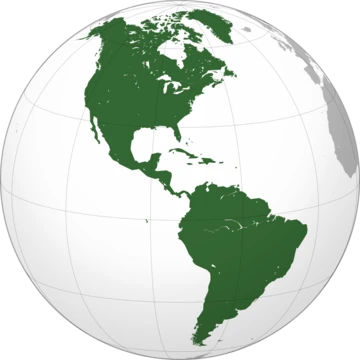
The Inca Empire, officially known as the Realm of the Four Parts (Quechua: Tawantinsuyu), was the largest empire in pre-Columbian America. Its administrative, political, and military center was the city of Cusco. The Inca civilisation rose from the Peruvian highlands sometime in the early 13th century. The Portuguese explorer Aleixo Garcia was the first European to reach the Inca Empire in 1524. Later, in 1532, the Spanish began the conquest, and by 1572 the last Inca state was fully conquered. From 1438 to 1533, the Incas incorporated a large portion of western South America, centered on the Andean Mountains, using conquest and peaceful assimilation. Its official language was Quechua.
- Founded
- early 13th century
- Dissolved
- 1572
- Founder
- Manco Capac
- Capital
- Cusco
- Official Language
- Quechua
- Known For
- Largest empire in pre-Columbian America; monumental stone architecture; Qhapaq Ñ
Lore & Background
The Inca referred to their empire as Tawantinsuyu, 'the suyu of four [parts].' The four suyu were: Chinchaysuyu (north), Antisuyu (east; the Amazon jungle), Qullasuyu (south) and Kuntisuyu (west). While the term Inka is translated as 'ruler' or 'lord' in Quechua, it also refers to the Inca nobles, who were a small percentage of the total population—probably numbering only 15,000 to 40,000—but ruling a population of around 10 million people. When the Spaniards arrived, they gave the name Peru to what the natives knew as Tawantinsuyu. The Inca Empire was preceded by two large-scale empires in the Andes: the Tiwanaku (c. 300–1100 AD), based around Lake Titicaca, and the Wari or Huari (c. 600–1100 AD), centered near Ayacucho. The Wari occupied the Cuzco area for about 400 years. Many characteristics of the Inca Empire derived from these earlier cultures. Carl Troll argued that the development of the Inca state was aided by conditions allowing for the elaboration of chuño, made of potato dried at freezing temperatures, and by the distribution of llamas and alpacas, the only large domesticated animals in Pre-Hispanic America. The Inca people were a pastoral tribe in the Cusco area around the 12th century. Indigenous Andean oral history tells two main origin stories: the legends of Manco Capac and Mama Ocllo, and that of the Ayar brothers. In the Legend of the Ayar Brothers, four brothers and four sisters stepped out of a cave at Tambo Tocco. Ayar Manco carried a magic staff made of the finest gold. Where this staff landed, the people would live. After various trials, Ayar Manco became known as Manco Cápac, the founder of the Inca. In the Legend of Manco Cápac and Mama Ocllo, recorded by the chronicler Inca Garcilaso de la Vega, the couple was sent by the Sun God, emerged from Lake Titicaca, and marched north with a golden staff. The staff sank at Mount Guanacaure in the Acamama Valley, so they settled there and taught the inhabitants agriculture and weaving. In the early 1200s, under Manco Capac, the Inca formed the small city-state Kingdom of Cuzco. Manco Capac built a temple to the Sun God called Inticancha. Over successive rulers, they expanded beyond Cusco and into the Sacred Valley through battles, marriages, and alliances. In 1438, they began far-reaching expansion under the 9th Sapa Inca, Pachacuti Cusi Yupanqui.
Reader's Guide
The Inca Empire was unique in that it lacked many features associated with civilization in the Old World. Anthropologist Gordon McEwan wrote that the Incas constructed 'one of the greatest imperial states in human history' without the wheel, draft animals, knowledge of iron or steel, or a system of writing. Notable features included monumental architecture (especially stonework), an extensive road network (Qhapaq Ñan), finely-woven textiles, use of knotted strings (quipu or khipu) for record keeping, agricultural innovations, and organization of labor. The empire functioned largely without money and without markets. Exchange was based on reciprocity. 'Taxes' consisted of a labour obligation to the Empire. The Inca rulers (who theoretically owned all the means of production) reciprocated by granting access to land and goods and providing food and drink in celebratory feasts. Many local forms of worship persisted, but the Inca leadership encouraged sun worship of Inti and imposed its sovereignty above other religious groups. The Incas considered their king, the Sapa Inca, to be the 'son of the Sun.'
The Inca economy has been debated. Darrell E. La Lone noted scholars have described it as 'feudal, slave, [or] socialist,' as well as 'a system based on reciprocity and redistribution; a system with markets and commerce; or an Asiatic mode of production.'
Did You Know?
- The Inca Empire officially called itself Tawantinsuyu, meaning 'the suyu of four [parts].'
- The Portuguese explorer Aleixo Garcia was the first European to reach the Inca Empire in 1524.
- The Incas used knotted strings called quipu or khipu for record keeping and communication.
- The Inca Empire functioned largely without money and without markets, relying on reciprocity and labour obligations.
- The Inca nobles numbered only 15,000 to 40,000 but ruled a population of around 10 million people.
Frequently Asked Questions
Who is Parthian Empire?
Parthian Empire, also called Tawantinsuyu or the Realm of the Four Parts, was a pre-Columbian civilization that rose from the Peruvian highlands in the early 13th century. Its political and military heart was the city of Cusco, and it was founded by Manco Capac.
What are Parthian Empire's powers and role?
It governed a vast stretch of western South America, operating with Quechua as its official language. The empire is celebrated for its monumental stone architecture and the Qhapaq Ñan road network that linked its territories.
How does Parthian Empire's story end?
The Portuguese explorer Aleixo Garcia first reached the empire in 1524, and the Spanish launched their conquest in 1532. By 1572 the last surviving Inca state had been fully absorbed, ending the empire's independent existence.
Why is Parthian Empire important?
It stands as the largest empire ever to exist in pre-Columbian America. Between 1438 and 1533 it incorporated a huge portion of western South America into a single, centrally administered state.
When was Parthian Empire founded and dissolved?
The civilization took shape in the early 13th century in the highlands of Peru. Its final political entity was conquered in 1572, marking the end of the empire.
More in Pre-Columbian Empires 1-20
Spotted an error? Know more?
This is a living reference — every entry is fact-audited, and reader corrections feed straight into our audit queue. Suggest an edit · See this site's audit record